
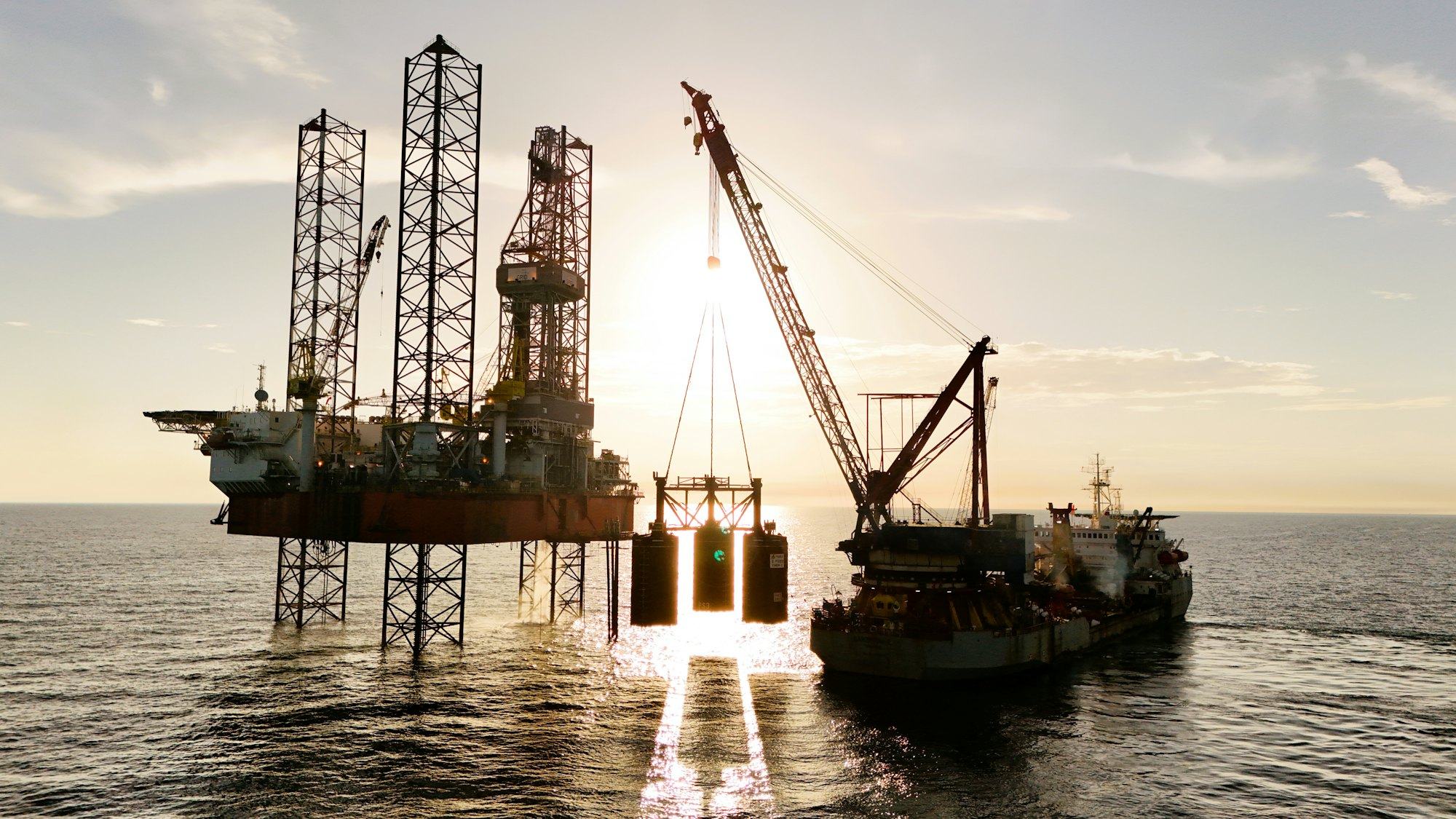

Friction Sets the Limit in Long Laterals
In extended-reach and horizontal wells, long sections of drill string lie against the casing and the low side of the hole. Contact pressure at those points is high, and friction builds with every metre drilled. The result is high torque when rotating, high drag when tripping, poor weight transfer to the bit when sliding, and a growing risk of differential sticking.
Many conventional lubricants work well at low loads but their film breaks down at the contact pressures found in these wells, just when lubrication matters most.
Built for High Film Strength
Our speciality drilling lubricant forms a durable film on steel and formation surfaces that stays intact at higher loads than conventional lubricants.
| Conventional lubricant | ST Chem high film-strength lubricant | |
|---|---|---|
| Film under high contact pressure | Can break down, letting friction return | Engineered to stay intact at higher loads |
| Designed for | General drilling | Extended-reach, horizontal and highly deviated wells |
| Proof of performance | Generic data sheet | EP lubricity testing in your own mud, against a conventional product |
| Treatment level | Standard recommendation | Set by lubricity testing for your mud and well |
What It Does Downhole
Lower Torque & Drag
Reduces friction between the drill string, casing and formation in long deviated sections.
Better Weight Transfer
Smoother sliding with downhole motors, so more weight reaches the bit.
Less Sticking Risk
Helps reduce the risk of differential sticking across permeable zones.
Reduced Wear
A durable film lowers wear on drill pipe, tool joints and casing.
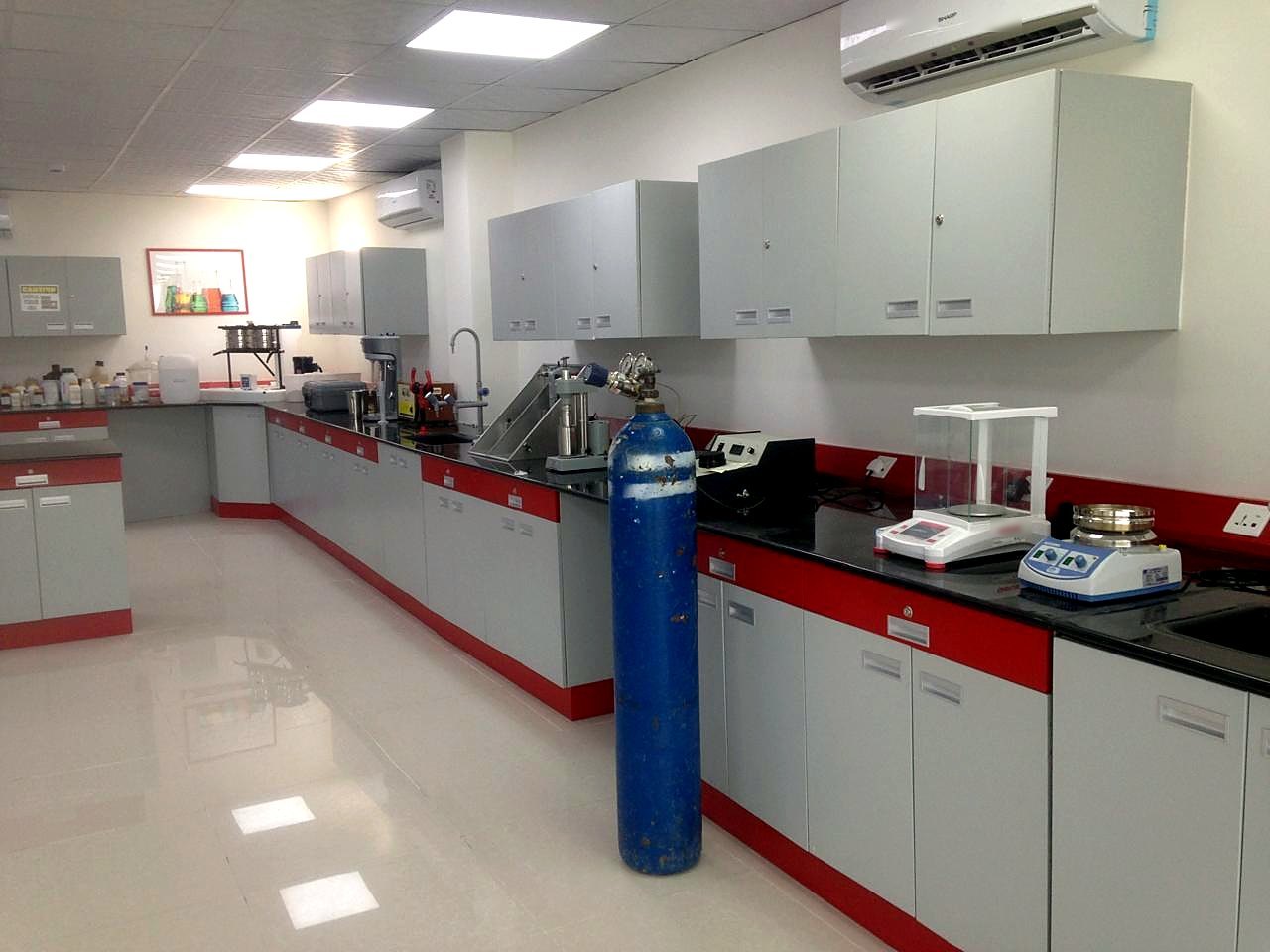
Proven on Our Own EP Lubricity Tester
We designed our EP (extreme pressure) lubricity tester in-house, and use it to show the difference in your own mud before you order:
- Coefficient of friction of your base mud, with no lubricant
- The same mud with a conventional lubricant
- The same mud with ST Chem high film-strength lubricant, at several concentrations
- Compatibility checks: foaming, rheology and fluid loss
You get the results and a recommended treatment level, backed by test data.
Drilling Lubricant Questions
What does film strength mean for a drilling lubricant?
Film strength is the ability of the lubricant film to stay intact under load. In extended-reach and horizontal wells the drill string presses hard against the casing and borehole wall. Where a conventional lubricant film breaks down under that contact pressure, metal-to-metal and metal-to-rock friction returns. A high film-strength lubricant keeps a durable film in place at higher loads.
Which wells is it designed for?
Extended-reach, horizontal and highly deviated wells, where long sections of drill string lie against the low side of the hole and torque and drag limit how far you can drill.
Which mud systems is it for?
It is designed for water-based drilling fluids. We check compatibility with your mud, including foaming, rheology and fluid loss, before recommending a treatment.
How do you prove the performance?
On the EP lubricity tester designed in our own laboratory. We measure the coefficient of friction of your mud with no lubricant, with a conventional lubricant and with ours, at several concentrations, and share the results.
What concentration is used?
Drilling lubricants are added as a percentage by volume. The right level depends on your mud and well, so we determine it by lubricity testing before you treat the active system.
Drilling a Long Lateral?
Send your mud sample details and well plan. We will test our lubricant against your current product.